
Artificial intelligence is changing the way we create, plan, and think about visual content.
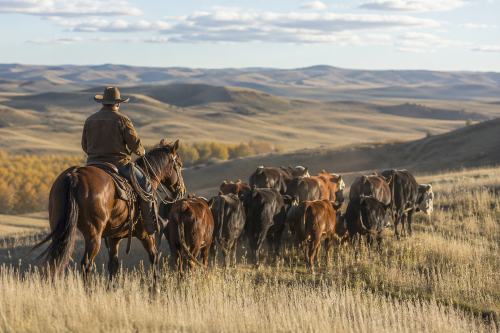
Consequently, with a few words typed into a prompt, AI can generate a polished-looking image of a farmer in a wheat field looking at the sun set, or a cowboy on horseback moving cattle. For marketers and business owners trying to keep up with the constant demand for content, it is easy to understand the appeal. AI is fast, and especially convenient. It can help generate ideas, mock up concepts, and fill creative gaps.
But agriculture is not generic. It doesn’t deserve to be built in a prompt box. It is living in real time, by real people doing real work. It’s early mornings and late nights, it’s course correcting with changing weather and farming duties or a newborn calve born in a blizzard that needs its ears saved from freezing.
In a world where synthetic images are becoming easier to create, real photography carries something AI cannot replicate. It’s the truth, the rawness, and the unique moments.
Agriculture Audiences Know What Real Looks Like
People in agriculture are not passive viewers. They know the details.
They know when a calf is being handled properly. They know what a working chute should look like. They know if the crop stage matches the season, if the equipment belongs in that field, or if the person in the photo looks like they have never stepped foot in a barn.
That’s the challenge with generic visuals, whether they come from stock photography or AI-generated imagery. They may look attractive at first glance, but if the details are wrong, the image loses credibility. And in agriculture, credibility matters. Farmers, ranchers, agronomists, veterinarians, nutritionists, equipment dealers, and rural business owners connect to the work instantly. They can spot imagery that feels staged, inaccurate, or disconnected from the reality of the industry.
Authentic photography builds trust because it shows real people, real places, and real moments. It does not just decorate a brand. It helps prove that the brand understands the audience that it is trying to reach.
The Details Matter
Agriculture is full of nuance.
A commercial agriculture photo shoot is not just about creating pretty images. Particularly, it’s about understanding the environment, the people, the season, the animals, the equipment, the safety considerations, and the story the brand wants to tell.
A good agriculture photographer considers things like:
- Are the livestock being handled in a way that feels calm and credible?
- Does the crop stage match the message of the campaign?
- Is the right equipment being used for the job?
- Are the people dressed appropriately for the setting?
- Does the image reflect the reality of the operation?
- Does the moment feel natural, or does it feel forced?
Surprisingly, these details may seem small to someone outside the industry. But to an agriculture audience, this is the difference between an image that connects and an image that gets dismissed.
Authentic photography is rooted in observation. It requires being there. Watching how people and animals move. Noticing how light falls across a pen, a field, a shop, or a horse’s shoulder. Understanding when to step in, when to stay back, and when the best moment is about to happen. That kind of visual storytelling comes from experience, not automation.
The Everyday Work Is the Story
One of the most powerful things about agriculture is that the story is often found in the ordinary.
Consequently, it’s not always the perfectly staged hero shot. Sometimes it’s the gate being opened during a snowstorm to gather cattle. Even more, the harvest dust behind the combines at dusk or the hands fixing a piece of equipment. The quiet moment of a cowboy’s horse catching a quick drink from the creek. The night checks at calving time or the clouds building as a storm approaches at golden hour.
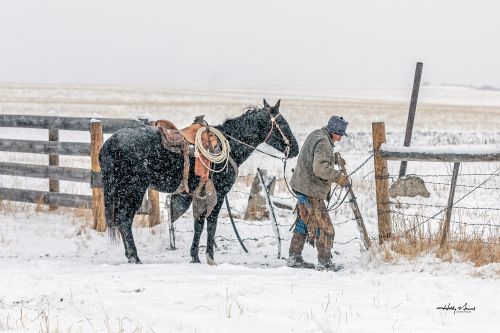
These are not manufactured moments. They are the ‘day-to-day’ moments.
They matter because they reflect the beat of agriculture. The responsibility. The pride. The connection between people, animals, land, and seasons.
For agriculture brands, these day-to-day moments are incredibly valuable. They help audiences feel something. They show the human side of the business. They remind people that behind every product, service, operation, or campaign, there are people doing the work.
Authentic Images Build Brand Trust
In agriculture and Western lifestyle marketing, authenticity is not just a creative preference. It is a trust signal.
As a result, brands using real imagery show their audiences that they understand the industry. They are willing to show up in real places. They are willing to represent real producers, ranchers, customers, employees, landscapes, and products.
Certainly this matters for agribusinesses, advertising agencies, farm and ranch operations, Western brands, and direct-to-consumer businesses.
Authentic photography can help a brand:
- Build credibility with rural and agricultural audiences
- Create stronger emotional connection
- Show real customers, employees, and operations
- Stand apart from competitors using generic visuals
- Support campaigns across websites, social media, print, trade shows, dealer materials, and internal communications
- Create a consistent visual identity rooted in real experience
When audiences see real images, they are more likely to believe the story behind the brand.
That does not mean every image needs to be raw or unpolished. Professional agriculture photography still requires strong composition, good light, thoughtful direction, editing, and brand alignment.
Your Brand Needs Its Own Visual Proof
One of the biggest limitations of AI imagery is that it does not show your actual business.
It may generate a field, but not your field.
It may create a farmer, but not your customer.
It may show a ranch, but not your ranch.
It can create a product-like object, but not your specific product in a real agricultural setting.
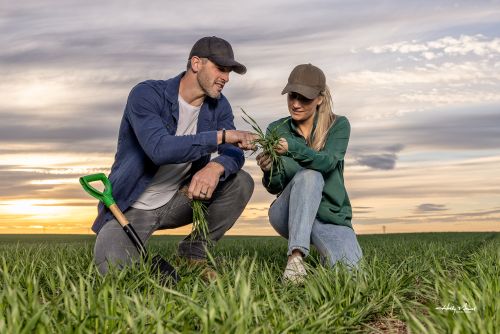
Above all, for agriculture brands, this distinction matters. Custom photography gives a business its own visual proof. It creates a library of images that reflect the people, places, products, values, and experiences that are specific to that brand. That image library becomes a strategic asset to use across campaigns, websites, advertising, social media, presentations, sales materials, recruitment, editorial features, and customer communications.
More importantly, it helps a brand stop relying on generic imagery that could belong to anyone. In a crowded market, visual sameness is a problem. If every company is using similar stock images or AI-generated farm scenes, the brands that invest in real photography will stand out. They will look more credible. They will feel more human. They will have something their competitors cannot prompt into existence: their own story.
AI Has a Place, But It Cannot Replace Presence
Above all, this is not about rejecting artificial intelligence. It’s a useful tool that I non-apologetically use every day. Specifically, It helps with brainstorming, campaign planning, concept development, caption ideas, editing support, and content organization. It can really help marketing teams move faster and think differently.
But AI should support the creative process, not replace the real story. The agriculture industry deserves imagery created by people who understand the work, respect the environment, and know how to capture the moments that matter.
Real Will Matter More
In the long run, as AI-generated content becomes more common, real photography will become more valuable, not less.
Because, audiences will continue to look for images that feel grounded, specific, and trustworthy. Particularly, brands will need visuals that prove they connect to the people and industries they serve. Agriculture businesses will need content that reflects their actual customers, products, values, and communities.
Specifically in that environment, authenticity becomes a competitive advantage.
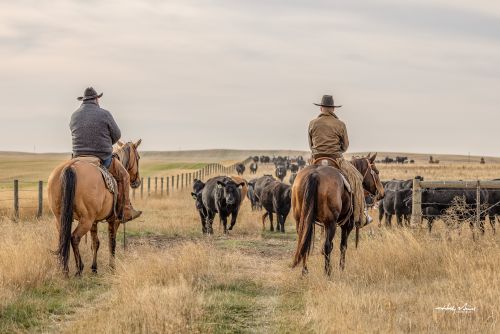
Genuine farms.
Bona fide ranches.
Real people.
True work.
Authentic agriculture.
That is what builds trust and creates connection. And that is why agriculture photography matters more than ever in the age of AI.
Leave a Reply